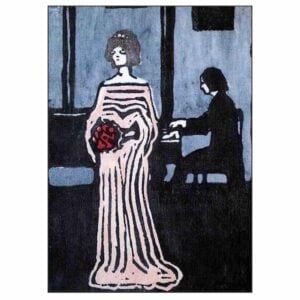


During the 19th Century, composers began to set poems to music. In these “art songs” or Lieder, the piano accompaniment accentuated the emotions and complemented the meaning of the poem. Although Beethoven’s An die ferne Geliebte (1816) was the first cycle of art songs, Schubert was the composer who definitively established the genre. He was followed by Schumann, Brahms, Wolf, and Mahler. In the British Isles, a golden age of art song occurred in the first 20 years of the 20th Century. Young composers, many trained in the German tradition, set to music both the lines they had learned in school and the poems of their contemporaries. The illustration is a wood cut from 1903 by Wassily Kandinsky.
Songs
Art songs (Kunstlieder in German) are often distinguished from folk songs (Volkslieder): art songs are musical settings for poetry that has been published in print, whereas the words and melodies for folk songs are handed down orally. However, some poets wrote ballads in the style of traditional folk songs, and some folk songs can be poetically complex. Art songs are also differentiated from popular songs by being “through-composed” (durchkomponiert) so that the melody varies with the meaning of the words, whereas popular songs typically use a simple repetitive rhythm. The accompaniment is typically more complex in art songs than in popular songs, often running in counterpoint to the voice. The words to art songs are created prior to the music, whereas words and music for popular songs are usually created simultaneously. Modern art songs are typically written for a solo voice with piano. However, in the Renaissance, similar songs (ayres) were written for lute accompaniment. Some composers, such as Mahler and Vaughan-Williams, arranged their original piano setting for full orchestra. All distinctions tend to be fuzzy, and no one type of song is necessarily better than another. As stated in the Oxford Dictionary of Music (Kennedy et al., 2012) in the entry for “song”
Brave the man or woman who will make a didactic value‐judgement between Dives and Lazarus, Gretchen am Spinnrade and Smoke gets in your eyes.
Poetry and Music
Human speech has its own rhythm – prosody – and this can be heightened or regularized in poetry (Menninghaus et al. 2018). This is what makes poetry more appealing when recited out loud than when read silently. Listening to art song adds another dimension to the perceptual experience: one must attend both to the words and to the music (Campbell, 2023). Since it can be difficult to adjust the melody of the music to the rhythm of the poetry, some poets would prefer their poems not be set to music. Whitner (1957) quotes Victor Hugo who wrote on a manuscript of his verse, “Commit no nuisance along these poems by setting them to music.” Nevertheless, in the better art songs, the music heightens the emotions of the words and makes their meaning more vivid and memorable.
The history of English Song (e.g., Kimball, 2005) suggests two Golden Ages. During the first (1580-1630) poems were set to music, with the lute being the typical accompaniment. In the second (the first half of the 20th Century), the songs were accompanied by piano. The following sections consider nine English art songs composed during first two decades of the 20th Century. Each is presented as text, as recitation, and as song, with some also presented as music alone.
Now Sleeps the Crimson Petal
Now sleeps the crimson petal, now the white;
Nor waves the cypress in the palace walk;
Nor winks the gold fin in the porphyry font:
The firefly wakens: waken thou with me.
Now droops the milkwhite peacock like a ghost,
And like a ghost she glimmers on to me.
Now lies the Earth all Danaë to the stars,
And all thy heart lies open unto me.
Now slides the silent meteor on, and leaves
A shining furrow, as thy thoughts in me.
Now folds the lily all her sweetness up,
And slips into the bosom of the lake:
So fold thyself, my dearest, thou, and slip
Into my bosom and be lost in me.
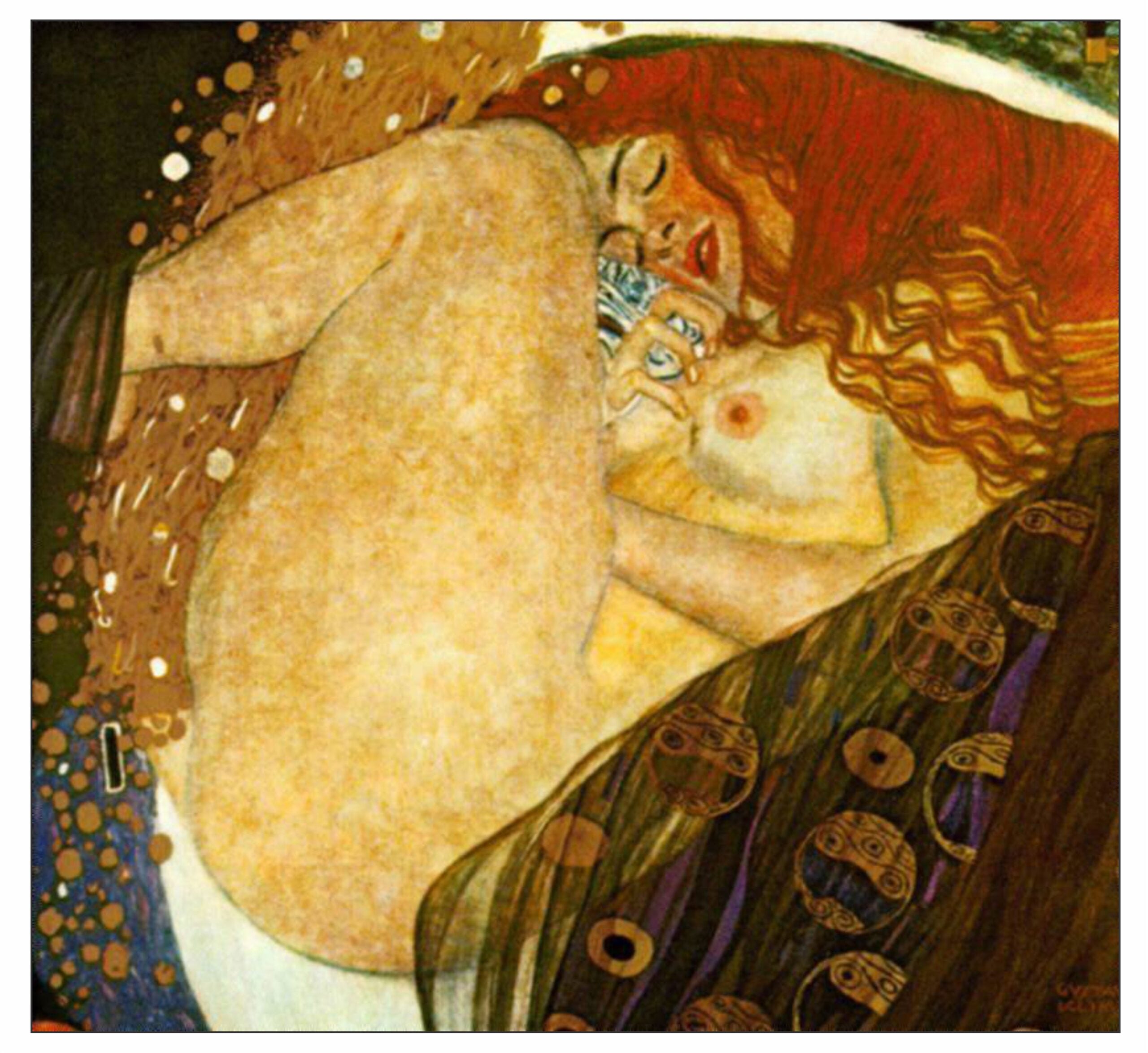
This poem by Alfred Lord Tennyson (1809-1892) was extracted from his long narrative poem The Princess (1847), wherein Princess Ida forswears the world of men and establishes a university for women. The story was likely derived from Shakespeare’s Love’s Labour’s Lost, and was itself adapted by Gilbert and Sullivan into the operetta Princess Ida. The 14-line unrhymed poem is spoken by the Princess as she cares for the wounded Prince in Canto VII of the poem. As she invokes the sunset, she realizes that she feels more deeply for him than she had thought. The reference to Danaë, the beautiful young woman who was impregnated by Zeus in the form of a shower of golden rain, accentuates the underlying erotic feelings in the lines.
The following illustration shows Gustav Klimt’s Danaë (1907):
The following is a recitation of the poem by Simon Russell Beale
Roger Quilter (1877-1953) set the poem to music in 1902. The following is a performance by baritone Benjamin Luxon accompanied by David Willison on piano.
And the following is a transcription of Quilter’s song-setting by Steven Hough.
Aedh wishes for the cloths of heaven
Had I the heaven’s embroidered cloths,
Enwrought with golden and silver light,
The blue and the dim and the dark cloths
Of night and light and the half-light,
I would spread the cloths under your feet:
But I, being poor, have only my dreams;
I have spread my dreams under your feet;
Tread softly because you tread on my dreams.
William Butler Yeats (1865-1939) published this poem in The Wind Among the Reeds (1899). The speaker is Yeats using the persona of Aedh (a name that means “fire” in Irish), a lovelorn, visionary poet. The poem, clearly related to Yeats’s unrequited love for Maud Gonne, is recited by Greg Wise:
Thomas Dunhill (1877-1946) published a cycle of songs from Yeats’ The Wind among the Reeds in 1904, later revising them for orchestral accompaniment in 1912. The following is a performance by tenor Ian Bostridge with Julius Drake on piano:
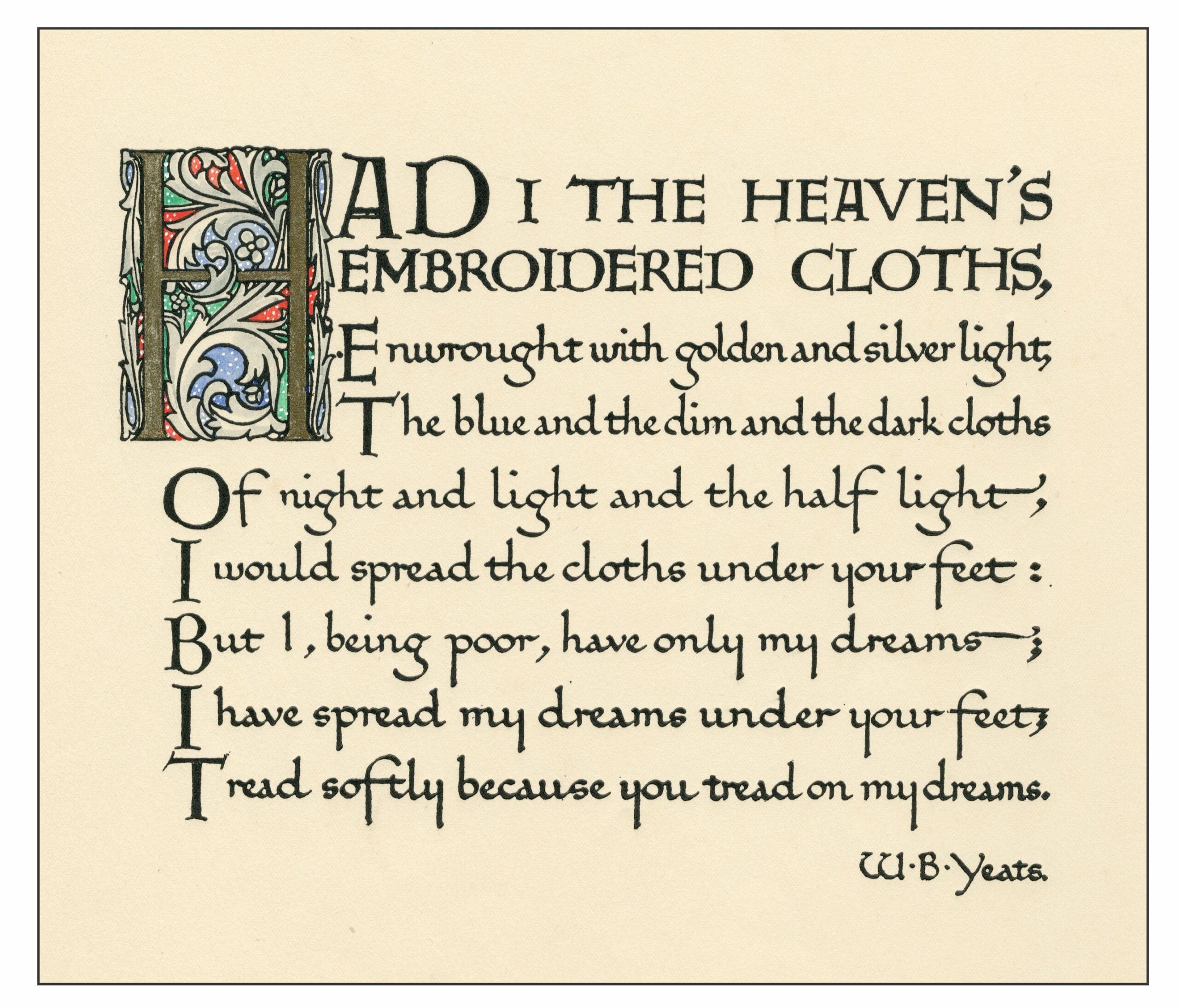
The following is the poem in calligraphy as published by the Cuala Press, established in 1908 by Elizabeth Yeats, the poet’s brother.
Bright is the Ring of Words
Bright is the ring of words
When the right man rings them,
Fair the fall of songs
When the singer sings them.
Still they are carolled and said –
On wings they are carried –
After the singer is dead
And the maker buried.
Low as the singer lies
In the field of heather,
Songs of his fashion bring
The swains together.
And when the west is red
With the sunset embers,
The lover lingers and sings
And the maid remembers.
The poem comes from Songs of Travel (1896) by Robert Louis Stevenson (1850-1894). Faute de mieux the following is my recitation of the poem:
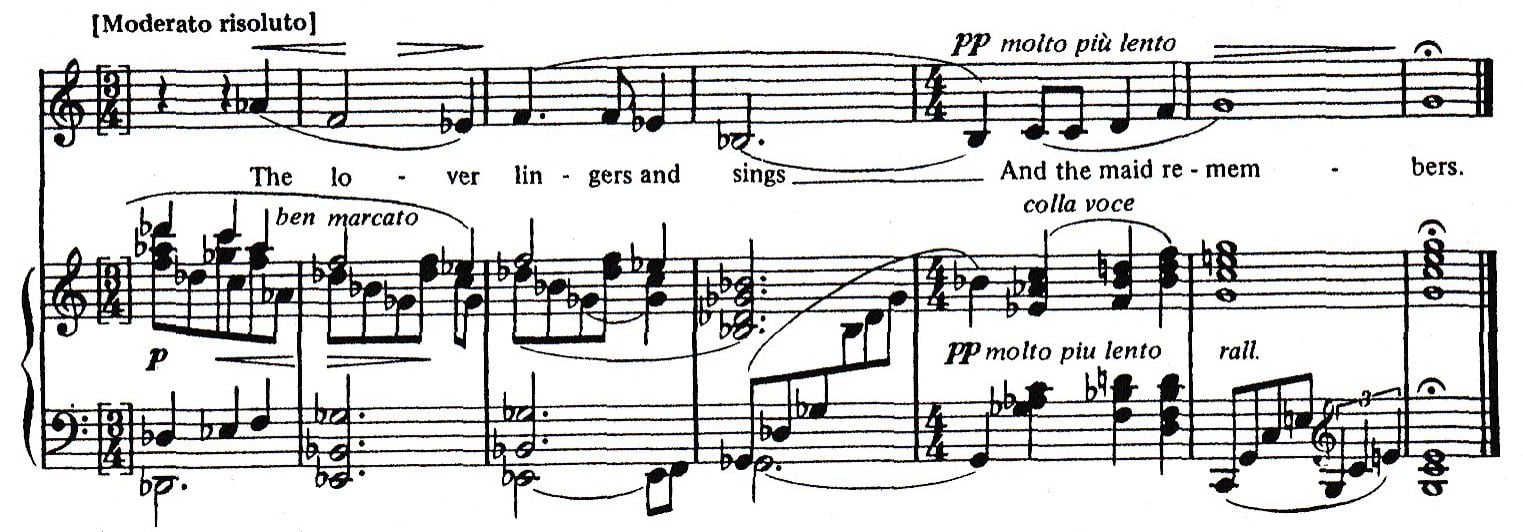
Stevensons considered the poems as “songs,” and Ralph Vaughan Williams (1872-1958) set the words to music in 1904 as part of The Vagabond and Other Songs. The following is a performance by baritone Bryn Terfel with Malcom Martineau on piano:
The score at the song’s end illustrates the complexity of the accompaniment:
Down by the Salley Gardens
Down by the salley gardens my love and I did meet;
She passed the salley gardens with little snow-white feet.
She bid me take love easy, as the leaves grow on the tree;
But I, being young and foolish, with her would not agree.
In a field by the river my love and I did stand,
And on my leaning shoulder she laid her snow-white hand.
She bid me take life easy, as the grass grows on the weirs;
But I was young and foolish, and now am full of tears.
William Butler Yeats published this poem in 1889. He extrapolated it from a few lines of an old song sung by a peasant woman in County Sligo. The word “salley” is a variant of a “sallow,” which is another word for the willow tree (Latin Salix). These trees were cultivated to provide materials for baskets, fences and roofs. A weir is a low dam of rocks or wood built across a river to raise the level of the upstream water. Settling and other irregularities can cause portions of the weir to rise above the water level, and become covered in grass. The grass on the weirs thus suggests an islet of rest in the turbulent waters flowing around it. The following is a recitation of the poem by Jim Norton:
Herbert Hughes (1882-1937), an Irish composer, set the poem in 1909 to the tune of a traditional Irish air called The Maids of Moune Shore. The following is a classical performance of this setting by the contralto Kathleen Ferrier with Phyllis Spurr on piano:
And another by countertenor Daniel Taylor accompanied by Sylvain Bergeron on lute. This performance gives the impression of a Renaissance Ayre.
The following is a performance of the Hughes tune adapted for cello (Gerald Peregrine) and violin (Lynda O’Connor):
Loveliest of Trees the Cherry Now
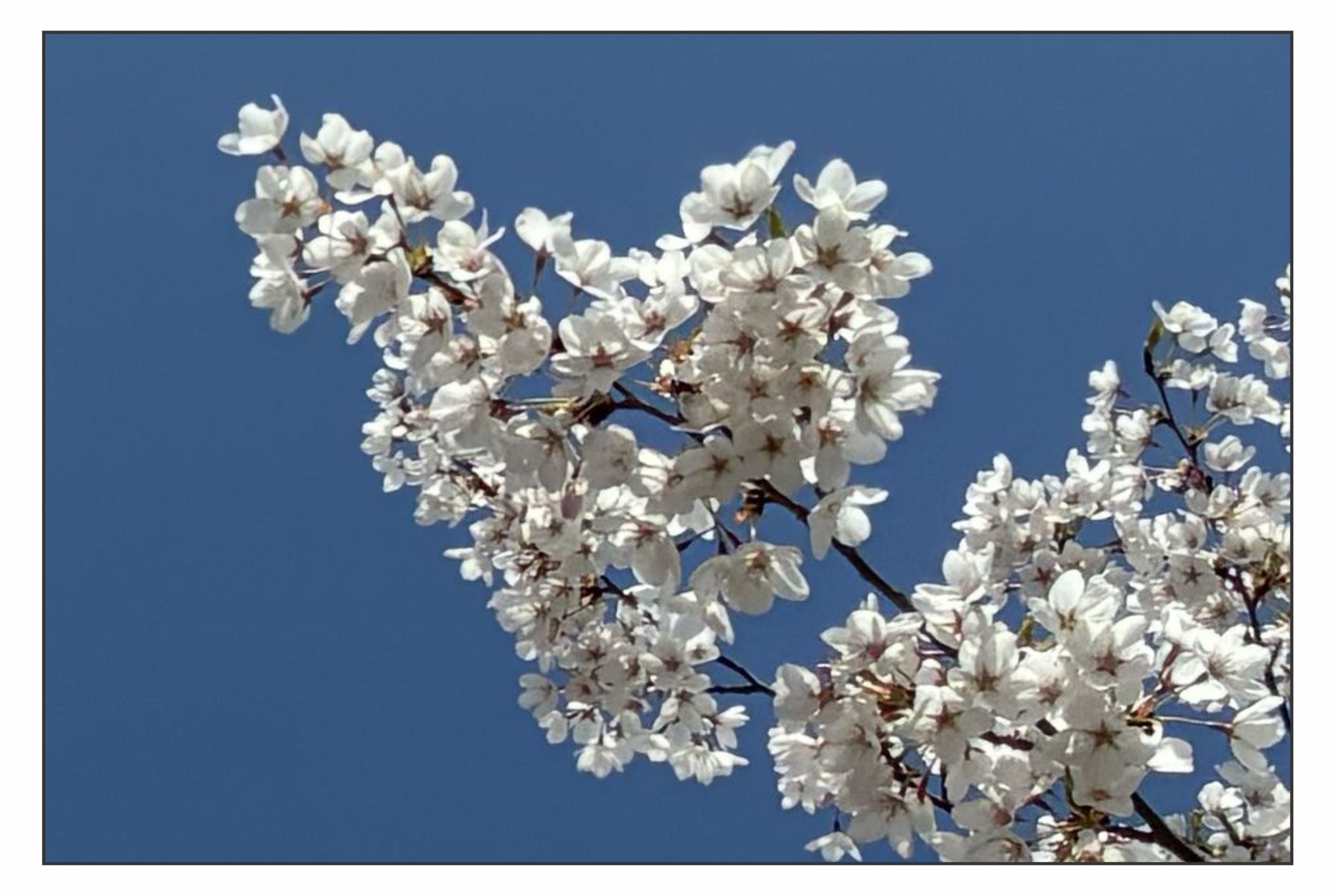
Loveliest of trees the cherry now
Is hung with bloom along the bough
And stands about the woodland ride
Wearing white for Eastertide.
Now of my three score years and ten,
twenty will not come again.
And take from seventy years a score,
It only leaves me fifty more.
And since to look at things in bloom,
Fifty Springs is little room,
About the woodlands I will go
To see the cherry hung with snow.
This poem, published by A. E. Housman (1859-1936) in his A Shropshire Lad (1896), has been widely anthologized and set to music numerous times. The following is a recitation by Emma Fielding:
George Butterworth (1895-1916) was the first composer to set the poem to music in 1912. The following is a performance by Benjamin Luxon with David Willison on piano:
Sonnet 18
Shall I compare thee to a Summer’s day?
Thou art more lovely and more temperate:
Rough winds do shake the darling buds of May,
And Summer’s lease hath all too short a date:
Sometime too hot the eye of heaven shines,
And oft’ is his gold complexion dimm’d;
And every fair from fair sometime declines,
By chance or nature’s changing course untrimm’d:
But thy eternal Summer shall not fade
Nor lose possession of that fair thou owest;
Nor shall Death brag thou wanderest in his shade,
When in eternal lines to time thou growest:
So long as men can breathe, or eyes can see,
So long lives this, and this gives life to thee.
All the art songs considered so far used poems published in the years just before the composers set the music. The composers also used earlier poems – particularly those from the late 16th to early 17th Centuries. William Shakespeare (1564-1616) published his sonnets in 1609. The following is a recitation of his 18th Sonnet by Hugh Grant:
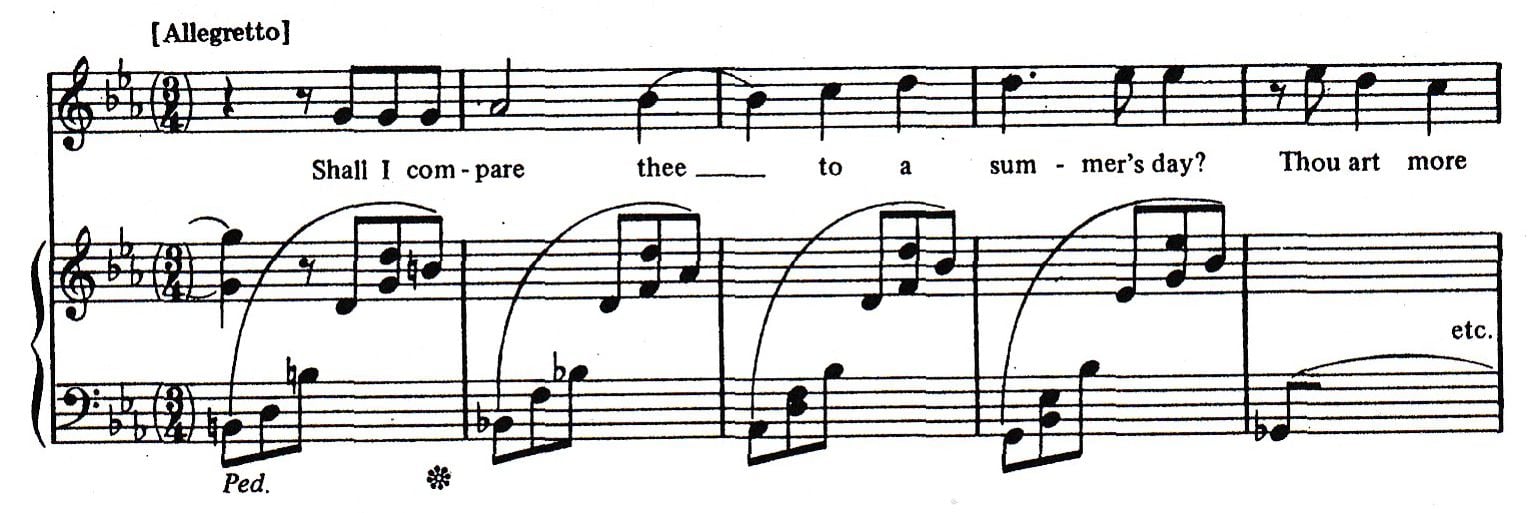
Frederick Septimus Kelly (1881-1916) was born in Australia and educated in England. As well as studying music, he was a gold medalist in rowing at the 1908 Olympics. His setting for Shakespeare’s sonnet was published in 1912. According to Banfield (1885, p 141),
The treatment of the opening line, the searching for a comparison, is particularly happy: the intermediate dominant of the relative minor leads in as if with a gradual concentration of the mind.
The following is a performance by baritone Stephen Varcoe with Clifford Benson on piano:
To Gratiana Dancing and Singing
See! with what constant motion
Even and glorious, as the sun,
Gratiana steers that noble frame,
Soft as her breast, sweet as her voice,
That gave each winding law and poise,
And swifter than the wings of Fame.
She beat the happy pavement
By such a star-made firmament,
Which now no more the roof envies;
But swells up high with Atlas ev’n,
Bearing the brighter, nobler Heav’n,
And in her, all the Dieties.
Each step trod out a lovers thought
And the ambitious hopes he brought,
Chain’d to her brave feet with such arts,
Such sweet command and gentle awe,
As when she ceas’d, we sighing saw
The floor lay pav’d with broken hearts.
So did she move: so did she sing:
Like the harmonious spheres that bring
Unto their rounds their music’s aid;
Which she performed such a way,
As all th’enamour’d world will say:
The Graces danced, and Apollo play’d.
Richard Lovelace (1617-1657) was a Cavalier Poet who fought on the side of Charles I during the English Civil War (1642–1651). Most of his poems, many dedicated to various idealized mistresses such as Althea, Lucasta, and Gratiana (Cousins, 1988), were collected and published posthumously. The following is a reading of the poem by Cavaet from Librivox.
William Denis Browne (1888–1915), an English composer, set Lovelace’s poem (omitting the second verse) to music in 1913. He based his melody on an Allmayne (a dance form originating in Germany, also called Allemande) from the 17th-Century Virginal Book of Elizabeth Rogers. The following is a performance by tenor Ian Bostridge with Julius Drake on piano:
Sea-Fever
I must down to the seas again, to the lonely sea and the sky,
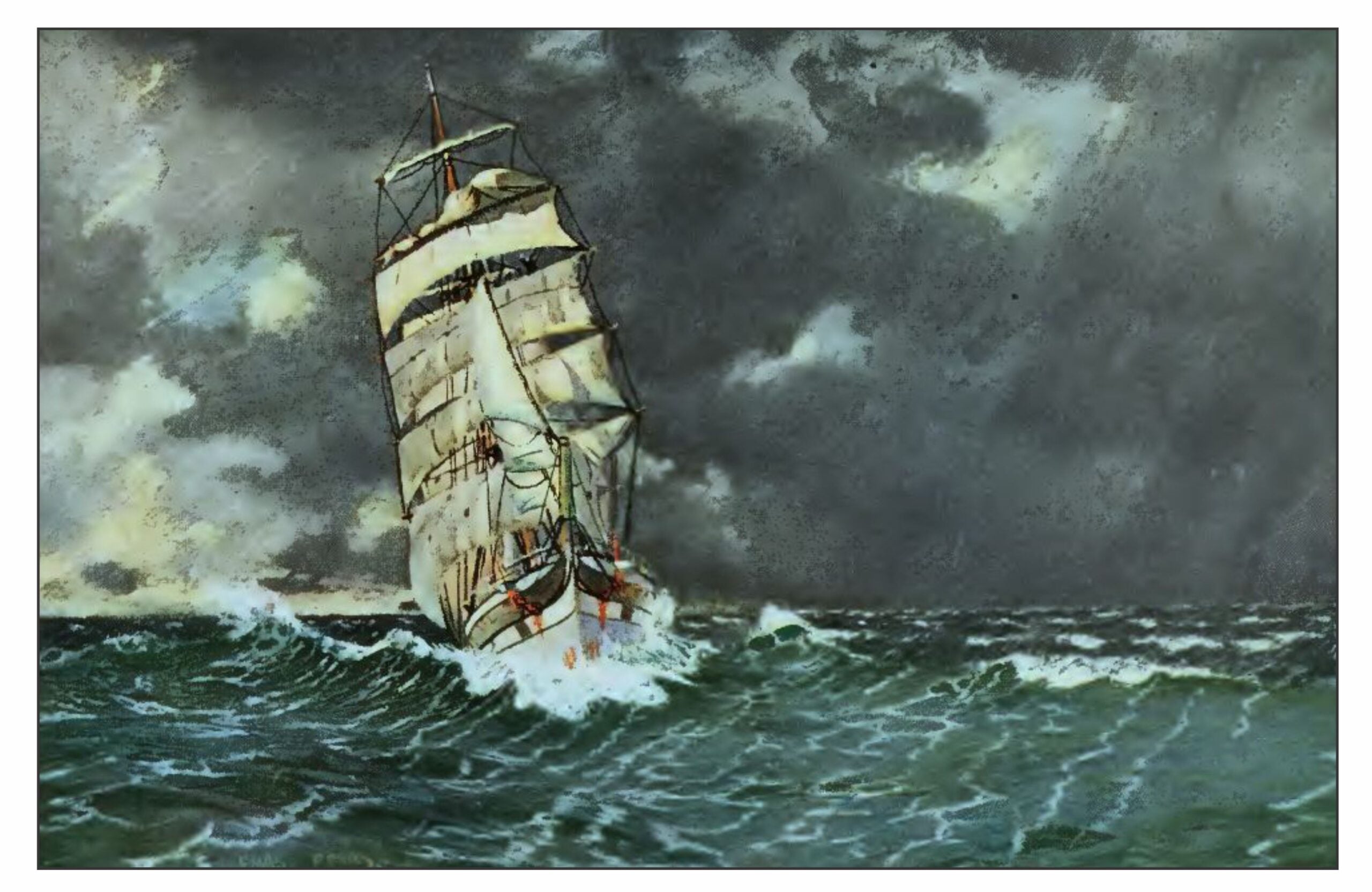
And all I ask is a tall ship and a star to steer her by,
And the wheel’s kick and the wind’s song and the white sail’s shaking,
And a grey mist on the sea’s face, and a grey dawn breaking.
I must down to the seas again, for the call of the running tide
Is a wild call and a clear call that may not be denied;
And all I ask is a windy day with the white clouds flying,
And the flung spray and the blown spume, and the sea-gulls crying.
I must down to the seas again, to the vagrant gypsy life,
To the gull’s way and the whale’s way where the wind’s like a whetted knife;
And all I ask is a merry yarn from a laughing fellow-rover
And quiet sleep and a sweet dream when the long trick’s over.
John Masefield (1878-1967) joined HMS Conway, a naval training ship in 1891 and spent much of his life in the 1890s at sea. This poem comes from his first book, Salt-Water Ballads (1902). The poems from this first volume were published together with later poems in 1916 as Salt-Water Poems and Ballads, which was profusely illustrated by Charles Pears (1873-1958). This is Pears’s depiction of the first two lines of Sea-Fever:
The following is a recitation of the poem by Terence Stamp:
John Nicholson Ireland (1879-1962) set Masefield’s poem to music in 1913. The following is a performance by baritone Bryn Terfel with Malcolm Martineau on piano:
Epitaph
Here lies a most beautiful lady,
Light of step and heart was she:
I think she was the most beautiful lady
That ever was in the West Country.
But beauty vanishes; beauty passes;
However rare, rare it be;
And when I crumble who shall remember
This lady of the West Country?
Walter de la Mare (1873-1956) published this brief but powerful poem in The Listeners and Other Poems (1912). In 1934 he made a recording of this and other poems. The following represents my best effort to decrease the high levels of noise:
Arthur L Wood provides a much clearer recitation:
Ivor Gurney (1890-1937), an English poet and composer, set the poem to music in 1920. The following is a performance by the baritone Benjamin Luxon with David Willison on piano:
Lament
Many of the composers active during the early years of the 20th Century died in World War I. William Denis Browne died at Gallipoli in 1915. William Septimus Kelly and George Butterworth both died in the Battle of the Somme in 1916. Ivor Gurney was irrevocably affected by his injuries during the war, and spent much of his time afterwards in psychiatric hospitals. Two weeks before he died at the Battle of the Somme, Kelly began writing a Lament. His original piano score was recently adapted for orchestra by Christopher Latham. The following is an arrangement for violin and piano with Latham playing the violin and Tamara Anna Cislowska playing the piano:
References
Banfield, S. (1985). Sensibility and English song: critical studies of the early 20th century. Cambridge University Press.
Böker-Heil, N., Fallows, D., Baron, J., Parsons, J., Sams, E., Johnson, G., & Griffiths, P. (2001). Lied. Grove Music Online.
Campbell, S. (2023). “Oh for heaven’s sake, do I need to explain this really?” Translation skopoi in live art song concerts. Translation Review, 116(1), 1–12.
Cousins, A. D. (1988). Lucasta, Gratiana, and the amatory wit of Lovelace. Parergon, 6(2), 97–104.
Kennedy, M., & Kennedy, J. B., Rutherford-Johnson, T. (2012). The Oxford dictionary of music (Sixth edition). Oxford University Press.
Kimball, C. (2005). Song: a guide to art song style and literature. Hal Leonard Corporation.
Masefield, J. (illustrated by Pears, C., 1916). Salt-water poems and ballads. Macmillan Co.
Menninghaus, W., Wagner, V., Knoop, C. A., & Scharinger, M. (2018). Poetic speech melody: A crucial link between music and language. PloS One, 13(11), e0205980.
Whitner, M. E. (1957). The modern art song in English. The American Music Teacher, 6(4), 2–23.
Leave a Reply