Archive for Psychiatry

image_pdfimage_print

Camille Claudel

cesar camille xb


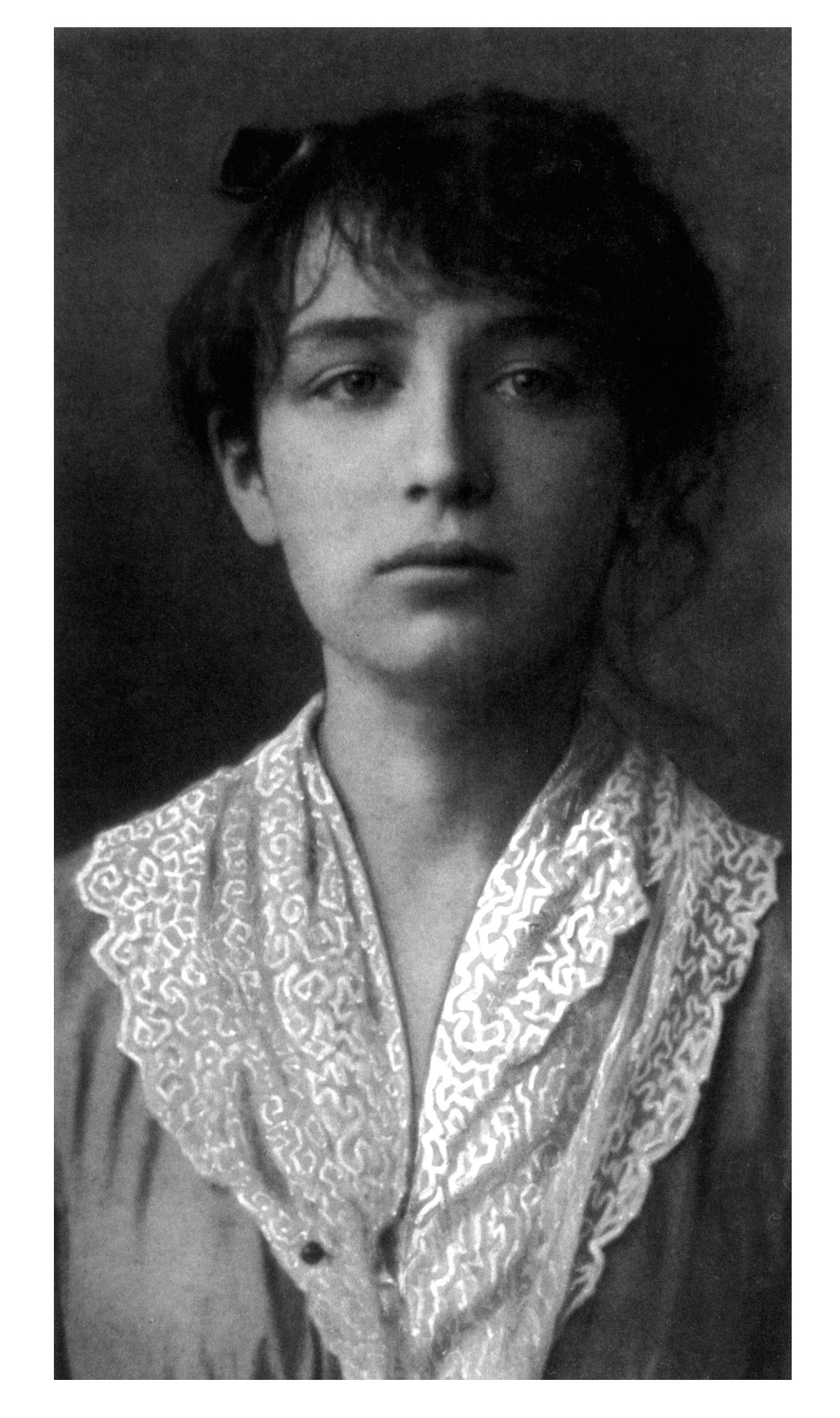
The photograph is striking. A young woman stares defiantly at the camera. One feels her passion and her sensuality. Her unkempt hair is tied back from her eyes. She is in working clothes but for the camera she has wrapped a scarf around her neck and fixed it with a pin. The photographer went by the name of César, but nothing else is known about him. The photograph was taken in 1883 or 1884. The Rodin Museum in Paris has an albumen print. The photograph was published in 1913 in the Parisian journal L’Art Décoratif (Claudel, 1913b).


The subject was Camille Claudel (1864-1943). Her younger brother remembered her:

this superb young woman, in the full brilliance of her beauty and genius … a splendid forehead surmounting magnificent eyes of that rare deep blue so rarely seen except in novels, a nose that reflected her heritage in Champagne, a prominent mouth more proud than sensual, a mighty tuft of chestnut hair, a true chestnut that the English call auburn, falling to her hips. An impressive air of courage, frankness, superiority, gaiety. (Paul Claudel, introduction to the 1951 exhibit of Camille’s sculpture, quoted in Claudel, 2008, p. 359).

At the time of the photograph, Camille was twenty. For two years, she had been learning to sculpt, sharing a studio with the English student Jessie Lipscombe, and studying with the sculptor Alfred Boucher, one of the few art teachers in Paris willing to tutor women. When Boucher left Paris for a year in Florence in 1882, he recommended his student to Auguste Rodin (1840-1917). Camille Claudel became Rodin’s student, his model, his lover, his muse and his colleague.

Read more

Freudian Legacies

Sigmund Freud made significant contributions to our understanding of how the human mind works (Gay, 1988). Recently, however, his ideas have come under intense criticism. Eysenck (1985), MacMillan (1991), Fisher and Greenberg (1995), Webster (1995), Andrews and Brewin (2000) and Gomez (2005) review the issues (with different degrees of politeness and different conclusions). This post comments on some of Freud’s contributions.

cerny freud

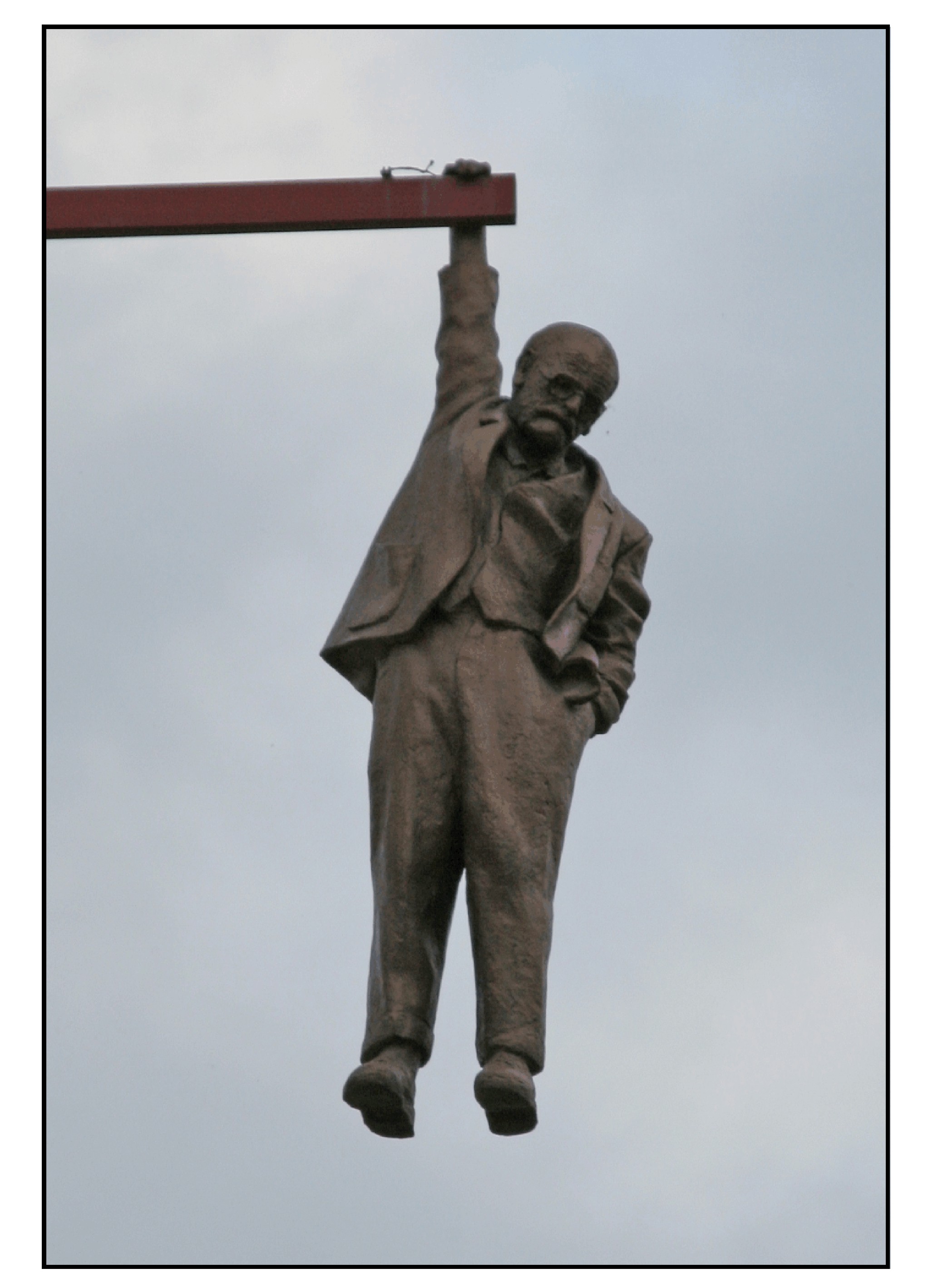
The photograph shows the Czech sculptor David Černý’s Hanging Man (1997) in its original location high above Husova Street in Prague. Copies have since been exhibited in various other cities. It is a life-size sculpture of Sigmund Freud, hanging from his right hand which grasps a beam projecting over the street. He seems unconcerned by his precarious position, his left hand remaining insouciantly in his pocket. Like most artists, Černý is noncommittal about the meaning of his art. According to some, the sculpture may represent the role of the intellectual in modern society. Freud goes often unattended, but when noticed he tends to shock. He considers ideas that are not grounded in the normal world; yet he is comfortable in his own thinking.


Read more

Story of Anna O

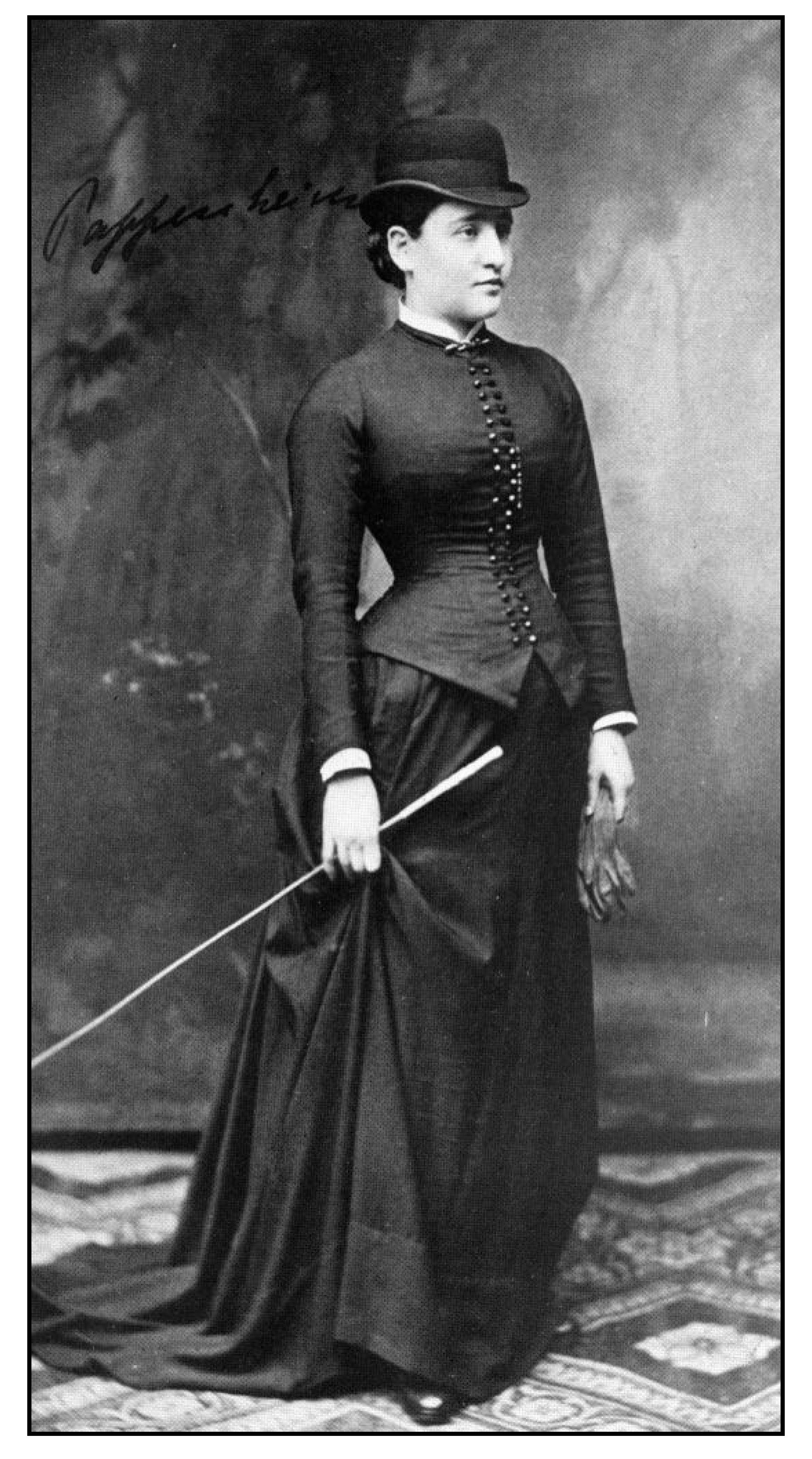
Bertha PappenheimThe case of Anna O., reported by Josef Breuer and Sigmund Freud in their1895 book Studies on Hysteria, provides the initial evidence for the effectiveness of psychoanalytic treatment. The patient’s actual name was Bertha Pappenheim (Gay, 1988; Jones, 1953). For the case study, her initials were shifted one letter earlier in the alphabet, and she was given the pseudonym Anna. Since the publication of her story, so many people have given their opinion of what was wrong with her that truth is difficult to determine in the welter of interpretation (recent review by Skues, 2006).

In 1880, at the age of 21, Bertha Pappenheim became the patient of Josef Breuer. Breuer was 38-years old, a respected Viennese physician, famous for his earlier work in physiology. In 1868 he had shown that inflation of the lungs trigger pulmonary stretch receptors which through the vagus nerve then inhibit the inspiratory centers of the lower brainstem (Hering-Breuer reflex). In 1874 he had shown how the vestibular system was related to the sense of balance and not hearing (Mach-Breuer hypothesis). After his researches, Breuer had become a conscientious and caring physician. He described his new patient:

She was markedly intelligent, with an astonishingly quick grasp of things and penetrating intuition … She had great poetic and imaginative gifts which were under the control of a sharp and critical common sense … Her will-power was energetic, tenacious and persistent  (Freud Standard Edition Volume II, p. 21)

Read more