This post considers the nature of the human experience of the “numinous:” the sensation that one is the in the presence of something beyond comprehension or control. The term is difficult to define. Other words that overlap in meaning are “sublime,” “sacred” and “transcendent” when referring to the source of the experience, and “awe,” “reverence” and “ecstasy” when describing the state of mind induced.
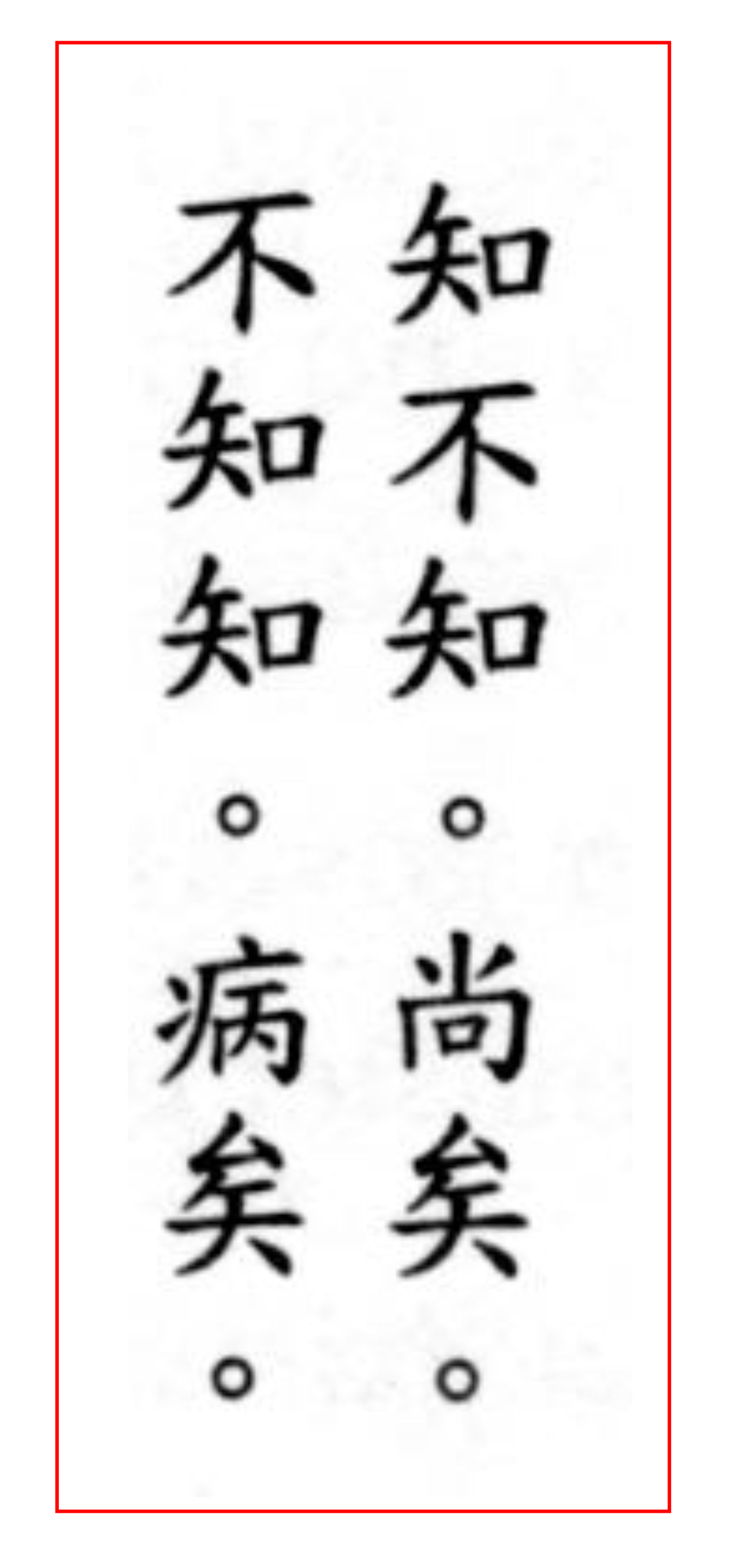
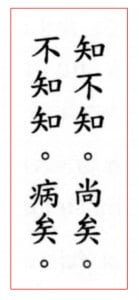 The numinous is an essential component of religion. However, the scriptures warn that understanding the numinous may not come easily. Verse 71 from the Tao Te Ching (dào dé jīng,The Book of the Way of Virtue) by Lao Tzu claims that
zhī bù zhī shàng yǐ
bù zhī zhī bìng yǐ
The Chinese characters go from top to bottom and from right to left. Red Pine (2009) provides a direct translation:
To understand yet not understand
is transcendence
Not to understand yet understand
is affliction
Perhaps the words mean that we should try to understand what we do not know because not to do so leads to suffering. However, I may miss the sense as much as I mar the pronunciation when I try to speak the words. Read more