Archive for Poetry

image_pdfimage_print

Cosmos Mariner

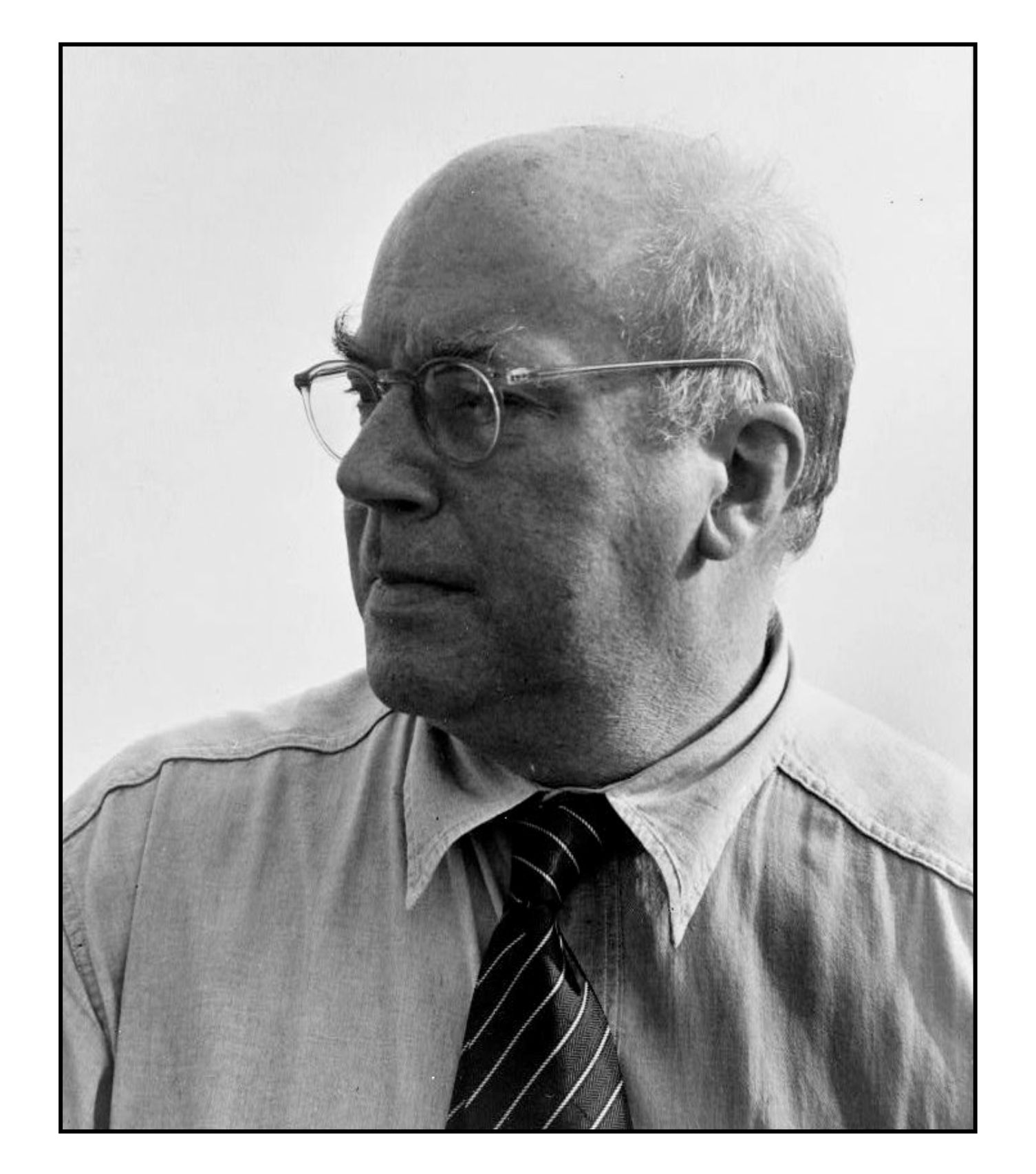
The poet Conrad Aiken was born in 1889 in Savannah, Georgia. When Aiken was 11 years old, his father, a respected surgeon, shot his wife and then committed suicide. Trying to distance himself from the experience in the third person, Conrad later recounted his discovery of the bodies:

[A]fter the desultory early morning quarrel, came the half stifled scream, and then the sound of his father’s voice counting three, and the two loud pistol-shots; and he had tiptoed into the dark room, where the two bodies lay motionless and apart, and, finding them dead, found himself possessed of them forever. (Aiken, 1952, p 302).

Aiken was taken into the care of his aunt, Jane Delano Kempton, in New Bedford, Massachusetts, and later lived with an uncle, William Tillinghast, a college librarian at Harvard. After graduating from Middlesex Preparatory School in Concord, Aiken was admitted to Harvard University in 1907, where he became a friend of T. S. Eliot.

aikenxxAfter leaving Harvard in 1912, Aiken decided to devote his life to poetry. Though much more prolific than Eliot, Aiken never achieved his colleague’s popularity. Many of Aiken’s poems are long and discursive. They might perhaps have benefited from an editor like Ezra Pound, who was so effective in separating out the gold in Eliot’s verse (Eliot, 1922/1971). Aiken published more than 30 volumes of poetry, several novels, many short stories and two autobiographical memoirs. Despite receiving the Pulitzer Prize for poetry, and serving as the Consultant in Poetry for the Library of Congress, Aiken became “one of the country’s best-known and least-read poets and men of letters” (Butscher, 1988, p xvii).

Read more

Destroy the Old!

destroy the oldChina’s Great Proletarian Cultural Revolution (无产阶级文化大革命 pinyin: Wúchǎnjiējí Wénhuà Dàgémìng) was one of the most terrifying periods in modern Chinese history. The revolution turned upon itself in a fury of denunciation and violence. The goal was to root out those who opposed the revolution. The result was a rampage of destruction. Everything old was to be done away with to make way for the new. Those associated with the old culture were punished or executed. The poster on the right (from Wikipedia) shows the Red Guard in action against symbols of religion, capitalism and culture. The slogan reads “Destroy the old world! Establish the new!” (打破旧世界 dǎ pò jiù shì jiè 创立新世界 chuàng lì xīn shì jiè ). The Cultural Revolution began in 1966, and did not really end until the death of Mao Zedong in 1976. Much of the old was destroyed; nothing new was created.

Read more

Newcomb’s Problem

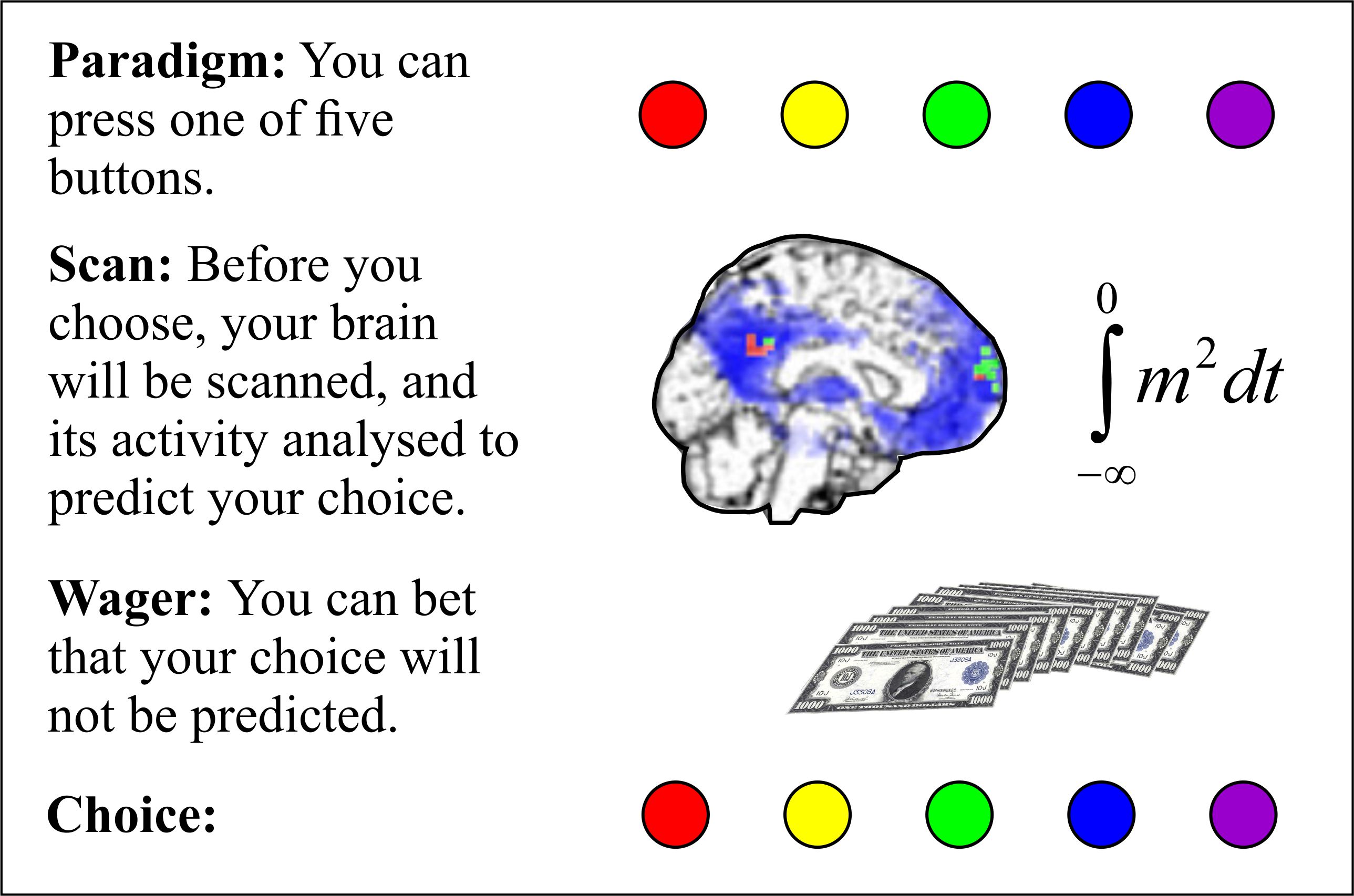
The concepts of determinism and freedom are nicely illustrated in a philosophical problem originally invented by William Newcomb, a California physicist. The philosopher Robert Nozick published an analysis of the problem in 1969, and since then it has been widely discussed (Nozick, 1969; Gardner, 1973, 1974, 2001; Drescher, 2005, Chapters 5 and 6; Mark in Malaysia, 2009, summarizes the issues on his webpage).

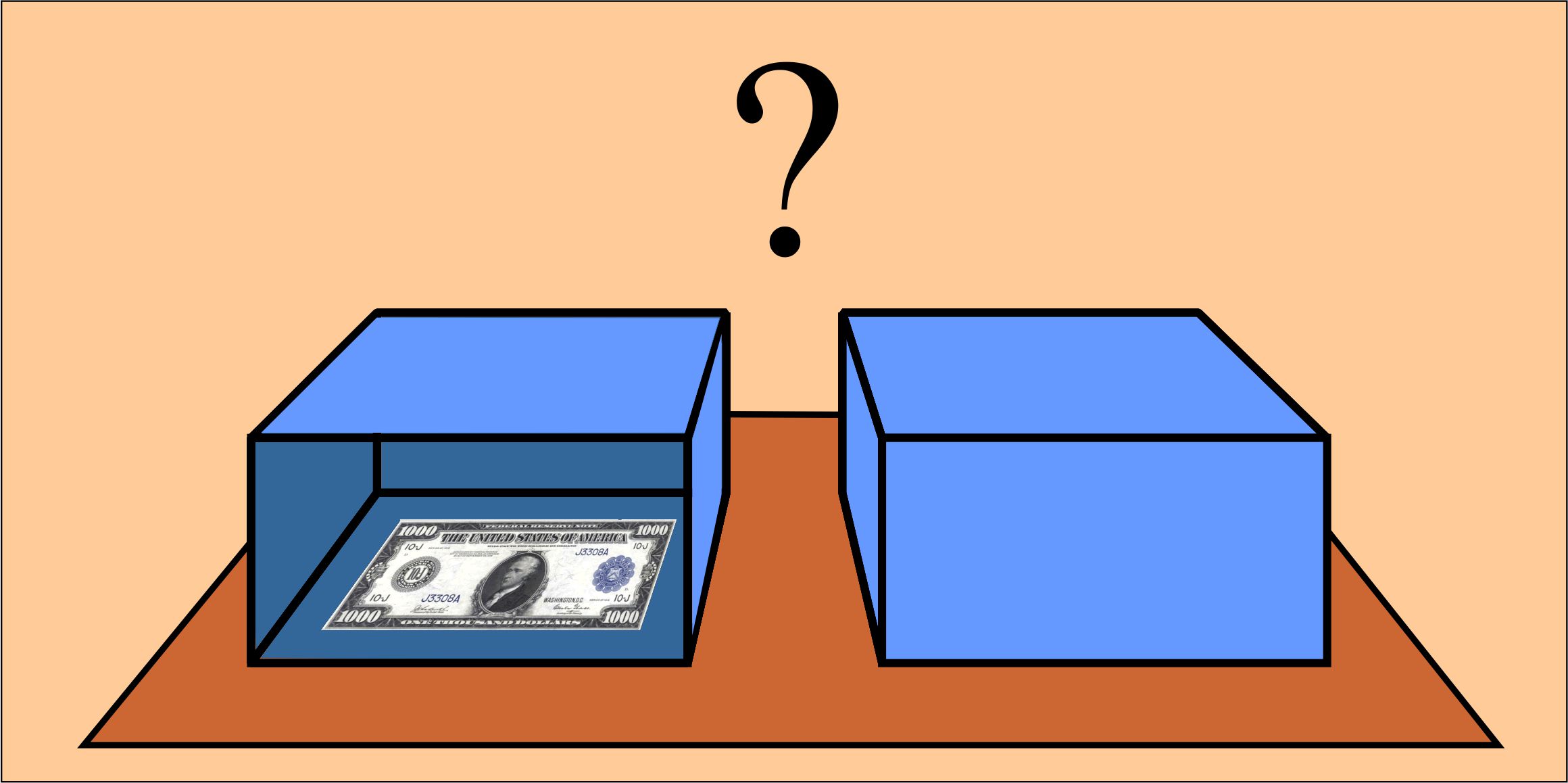
The basic problem is to decide how to act in the following situation. There are two boxes. The first contains $1000. You can see inside this box: the money is certainly there. The second contains either $1,000,000 or nothing. You cannot see inside this box. You can choose (i) to take both boxes or (ii) to refuse the first box and just take the second. A superior being predicts how you will choose and, before you do so, places in the second box either $1,000,000 if it predicts that you will refuse the first box, or nothing if it predicts that you will take both. The choice must be deliberate: it cannot be made on the basis of some random event such as a coin toss. How do you choose – one box or two?

boxes

Read more

Sub Regno Cynarae

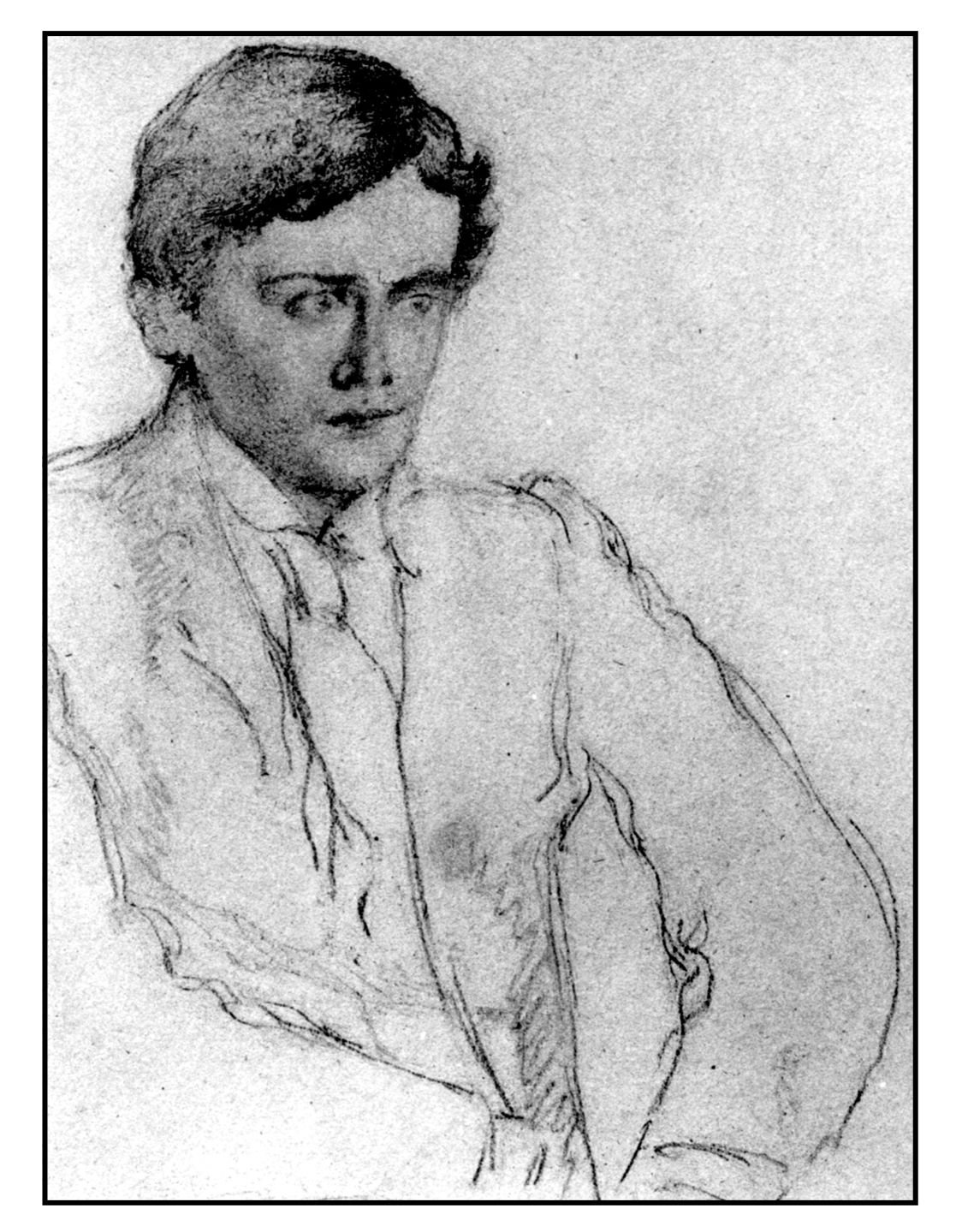
Sketch of Ernest Dowson by William Rothentstein in early 1890s

Sketch of Ernest Dowson by William Rothenstein in early 1890s


Ernest Dowson was born in 1867 into a prosperous family in London. His father owned a dock, but had more interest in literature than in business. Ernest spent two and a half years at Oxford, but he did not take a degree, leaving in 1888. The dock fell into debt, and the family became poor. His father took his own life in 1894, his mother following suit a few months later. Ernest Dowson became a homeless, alcoholic poet. He consorted with prostitutes. His most famous poem recalls the shadow of an earlier love:


Read more

Numinous Experience

This post considers the nature of the human experience of the “numinous:” the sensation that one is the in the presence of something beyond comprehension or control. The term is difficult to define. Other words that overlap in meaning are “sublime,” “sacred” and “transcendent” when referring to the source of the experience, and “awe,” “reverence” and “ecstasy” when describing the state of mind induced.

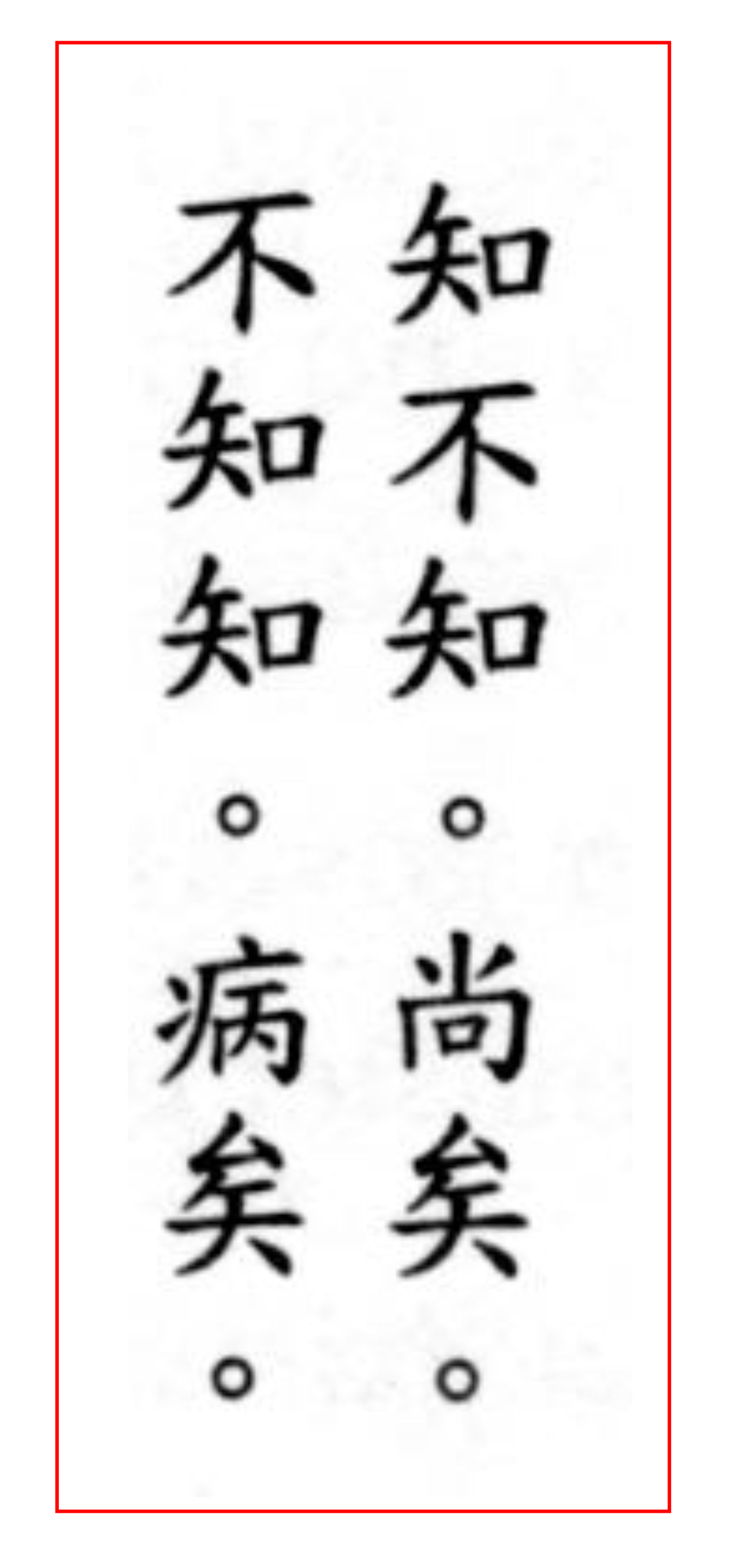
tao te ching 71 borderThe numinous is an essential component of religion. However, the scriptures warn that understanding the numinous may not come easily. Verse 71 from the Tao Te Ching (dào dé jīng,The Book of the Way of Virtue) by Lao Tzu claims that

zhī bù zhī shàng
bù zhī zhī bìng

The Chinese characters go from top to bottom and from right to left. Red Pine (2009) provides a direct translation:

To understand yet not understand
is transcendence
Not to understand yet understand
is affliction

Perhaps the words mean that we should try to understand what we do not know because not to do so leads to suffering. However, I may miss the sense as much as I mar the pronunciation when I try to speak the words. Read more

Subversive Poetry

frost 1913 x

Robert Frost, 1913

Many poems of Robert Frost (1874-1963) are remembered for something completely different from what the poet actually wrote. Frost’s meaning is often either opposite or orthogonal to what is initially understood.

One of Frost’s early poems is Wall Mending, published in 1914 as the first poem in North of Boston. Many remember the poem as claiming that “Good fences make good neighbors.” Walls serve to keep livestock away from crops. However, Frost points out to his neighbor that there is no need of the particular wall that they are mending:

There where it is we do not need the wall:
He is all pine and I am apple orchard.
My apple trees will never get across
And eat the cones under his pines, I tell him.

Read more

Late Spring

This year winter has stayed longer than usual. The seas are warmer, the Arctic vortex has shifted, and the currents of cold air have veered southward. Yet spring has finally arrived. The snow recedes. Gray and granular patches still remain, but they are not for long. Uncovered, the grass slowly turns from brown to green. Some of the trees, willows in particular, have gained a light green mistiness. Promise of leaves. The creeks are awash with runoff water. Wild waves now ride where once was stillness, ice and rocks. Red-winged blackbirds have returned to join the stay-at-home robins. Occasional cardinals flaunt their crimson. Mallards and geese find stretches of open water in the ice. A peregrine falcon circles slowly. Scattered snowdrops break the ground. Intermittent crocuses begin to show in pale purple and white, and an isolated daffodil braves the cold. The stores are full of cut flowers from countries where spring comes early or from greenhouses where summer is eternal.

Read more

Wine-Cup Immortal

li bai portrait tokyoLi Bai (701-762 CE), also known as Li Po, was one of the famous Tang dynasty poets who called themselves the Eight Immortals of the Wine Cup (an irreverent allusion to the Eight Immortals of Taoism). Li Bai wrote prolifically, and over 1000 of his poems survive. Much of his life is mythical, the stuff of novels rather than of history (Elegant, 1997). He was a devotee of Taoism, a fine swordsman, and a great lover of wine. In his youth he served the emperor. After becoming involved in one of the rebellions, however, he was exiled from the court. He then spent much of his later life wandering “beyond the gorges” in the hinterland of Imperial China. Legend has it that he died drunkenly trying to embrace the moon’s reflection in the Yangtze River, but his death was perhaps a suicide. The illustrated portrait (from the Tokyo National Museum) was painted by Liang Kai in the early 13th century. The seal in the upper right corner signals that the painting was owned by Anigo, an important official in the Imperial court of the Yuan dynasty.

Appreciating Chinese poetry requires seeing as well as hearing. The beauty of the calligraphy is as important to the poetry as the music of the words. The poems are therefore difficult to assess without some feeling for the characters in which they are written, since these allude to meanings beyond those directly expressed by the spoken words. This post therefore begins with a few notes on Chinese characters.

Read more

Sense of Sin

Regret is an essentially human emotion. We make mistakes. If the mistake is without serious consequence we may just feel foolish; if it shows us as less than ideal we might feel shame; if it causes others to suffer we feel guilty; if it contradicts the law of god we feel a sense of sin. This is an overly simplistic taxonomy of what might be called the negative social sensations, in contrast to such positive sensations as friendship, compassion and love.

Social sensations provide the basis for religion. In the Eastern religions, our fate (karma) in this life and in later reincarnations is determined by how well we have followed the way of justice (dharma). In the monotheistic religions that come from Abraham, however, justice has a personal edge. Wrongdoing becomes a sin against God’s law and incurs his wrath.

Read more

Journey of the Magi

A blog for the season. One of the most vivid and intriguing Christmas stories concerns the visit of the Magi from the East:

Now when Jesus was born in Bethlehem of Judaea in the days of Herod the king, behold, there came wise men from the east to Jerusalem,
Saying, Where is he that is born King of the Jews? for we have seen his star in the east, and are come to worship him. (Matthew 2: 1-2)

In 1461 Benozzo Gozzoli completed a sequence of frescos depicting the Journey of the Magi for the Palazzo Medici Riccardi in Florence. Illustrated below is the first of these paintings. A crowd of important people follow the Magi toward Bethlehem. At their head can be recognized the great lords of Florence, Sforza and Rimini. Among the crowd are diplomats and scholars from the Byzantine Empire (see previous blog). Indeed, one of the Magi is thought to represent the Emperor John VII Palaeologus. The painting commemorates the Council of Florence (1439), when representatives of the Eastern and Roman Churches had met in an unsuccessful attempt to reconcile their doctrinal differences. The Byzantine visitors were probably as exotic to the Italians of the 15th century as the Magi were to the Jews of the first.

Read more